

Stomach Ulcers: the Hidden Challenge
No horse is completely immune to gastric ulcers, and the numbers are startling. Studies show they affect 37% of pleasure horses, 40% of Western performance horses, and up to 93% of racehorses in training. Even foals aren’t spared, with rates ranging from 20% to 51%, while show and sport horses sit at 54% and 64% respectively.
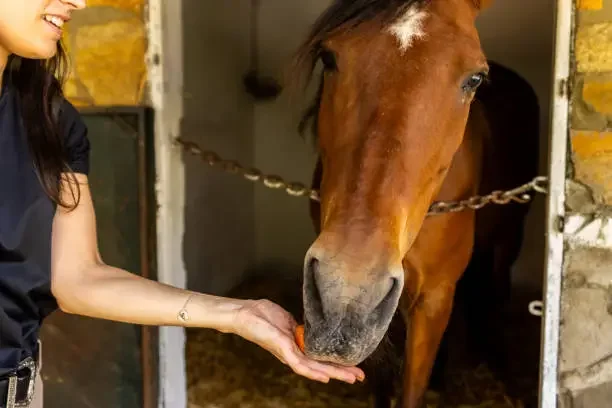
A Guide to Treats: Safe Choices, Training Tips, and Enrichment Ideas
When it comes to caring for our horses, treats are more than just a tasty snack; they’re a powerful tool for training, enrichment, and building a positive relationship. But not all treats are created equal, and it’s important to know which ones are safe, how to use them effectively, and what to avoid.
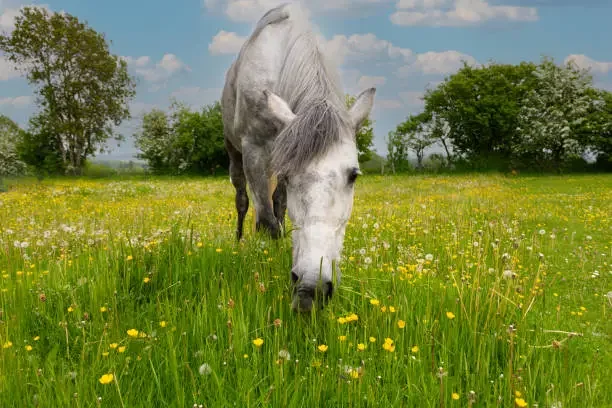
Summer Pasture
Horses were born to eat grass. For horse owners, pasture is the most natural and economical way to feed horses, reducing the need for hay and commercial feeds. With the right advice on grass species, planting, fertilisation, and grazing management, you can maintain productive pasture all year round.

Let’s get pregnant: Feeding for Fertility
Of all domesticated animals, horses have the lowest fertility rate. This is often due to selective breeding for performance and conformation rather than fertility. Equine fertility is influenced by a complex mix of environmental, management, and individual animal factors.