

Laminitis: Emergency care & management
Laminitis is a serious, painful, and sometimes life-threatening condition affecting the feet and hooves of horses and ponies. Effective emergency care and ongoing management are crucial for improving outcomes and minimising long-term damage. While there are many treatments and medicines recommended for laminitis, the most impactful interventions are often those that can be applied immediately at home, especially in the critical early stages.

Bighead & Osteoporosis In Horses
The condition known as 'bighead' was first identified in Australian horses grazing on subtropical pastures in 1974. Since then, it has become widely recognised in horses grazing on buffel, pangola, setaria, kikuyu, green panic, guinea, and signal grasses. These tropical grasses, commonly planted along Australia's seaboards, contain oxalate - a chemical that significantly interferes with mineral utilisation by horses.

Developmental Orthopaedic Disease: Protecting Growing Joints in Foals & Weanlings
Developmental Orthopaedic Disease (DOD) is one of the most significant risks for foals and weanlings. It encompasses any orthopaedic issue involving tendons, joints, or bone tissue in growing horses. The diseases included under this definition are osteochondrosis (OCD), physitis and epiphysitis, angular limb deformities (ALD), flexural deformities (including contracted tendons), and wobbler disease.
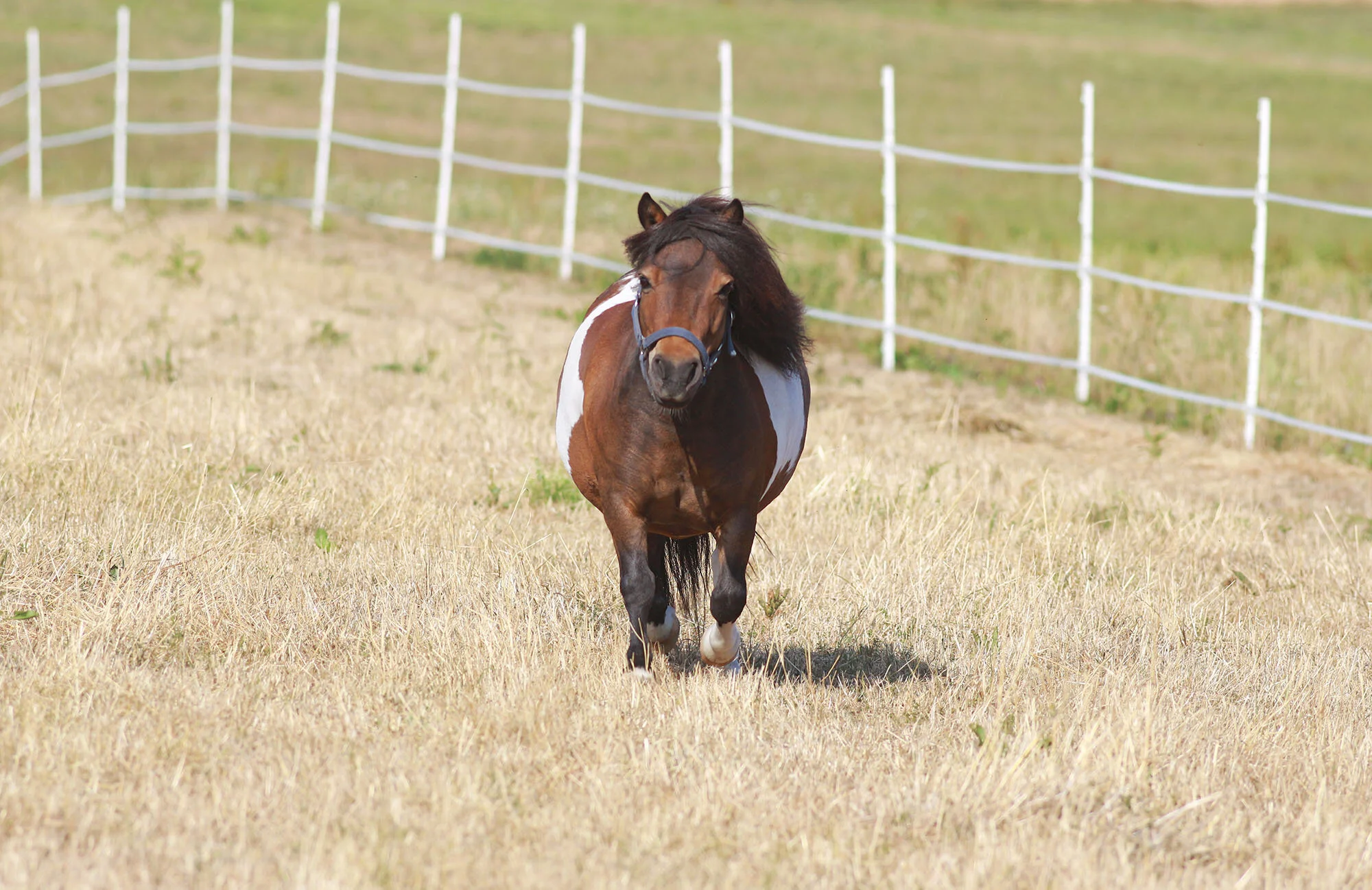
Insulin Resistance: A Complete Guide
Insulin resistance is associated with a range of diseases in both horses and humans. In horses, it is linked to conditions such as laminitis, hyperlipaemia, Equine Metabolic Syndrome (EMS), Cushing's disease (PPID - Pituitary Pars Intermedia Dysfunction), osteochondrosis, colic, and grass founder. In humans, insulin resistance is connected to type II diabetes, obesity, cardiovascular disease, hypertension, polycystic ovary syndrome, and colorectal cancer.