

Developmental Orthopaedic Disease: Protecting Growing Joints in Foals & Weanlings
Developmental Orthopaedic Disease (DOD) is one of the most significant risks for foals and weanlings. It encompasses any orthopaedic issue involving tendons, joints, or bone tissue in growing horses. The diseases included under this definition are osteochondrosis (OCD), physitis and epiphysitis, angular limb deformities (ALD), flexural deformities (including contracted tendons), and wobbler disease.

Gestational Diabetes: Feeding the Pregnant Mare
Gestational Diabetes in Horses
Just like humans, horses can experience pregnancy diabetes, known as Gestational Diabetes Mellitus (GDM). This condition affects 4-12% of women and has an equivalent in mares, increasing their risk of pregnancy-associated laminitis. Both humans and horses experience changes in blood glucose and insulin levels due to this condition.
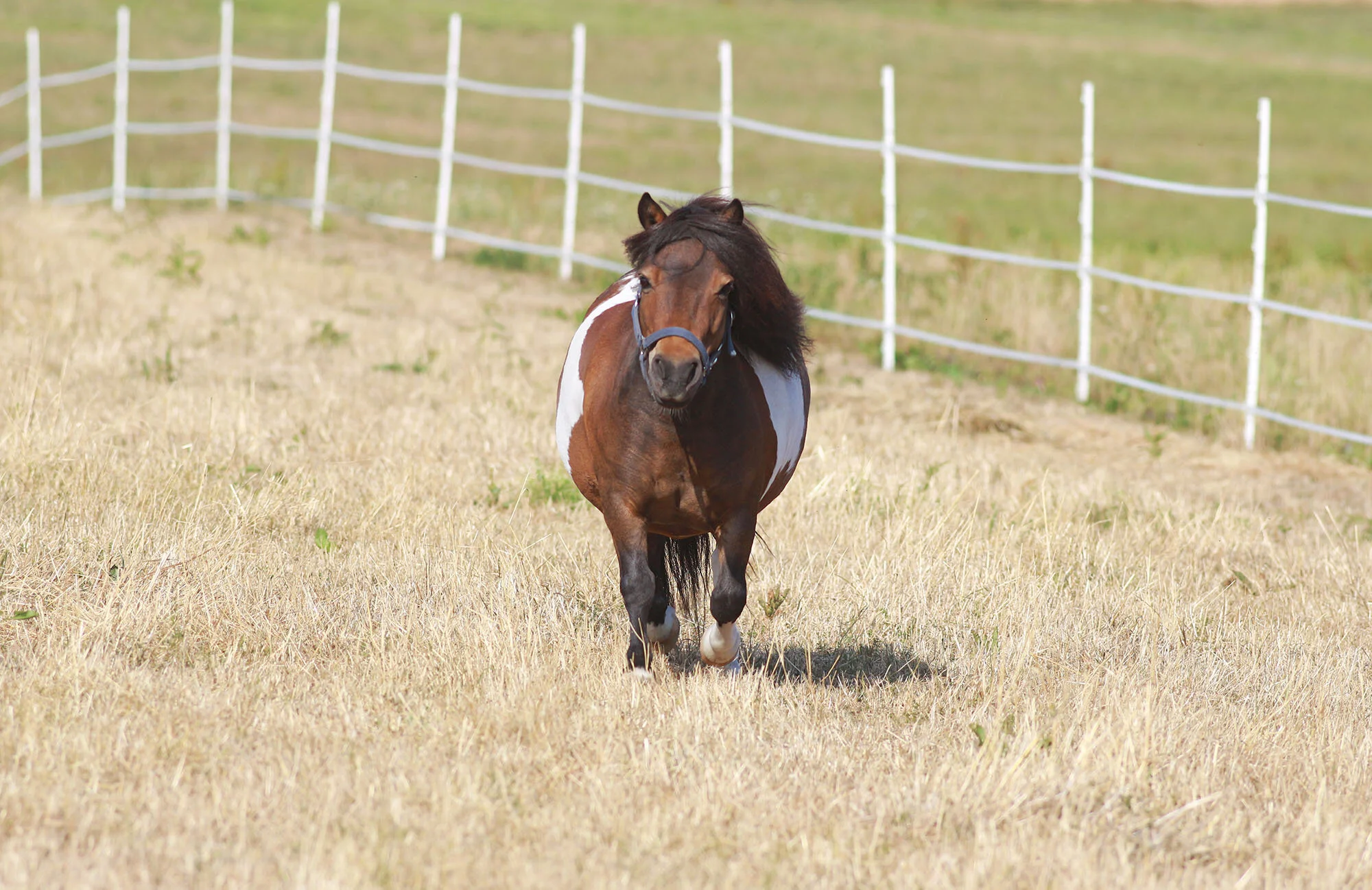
Insulin Resistance: A Complete Guide
Insulin resistance is associated with a range of diseases in both horses and humans. In horses, it is linked to conditions such as laminitis, hyperlipaemia, Equine Metabolic Syndrome (EMS), Cushing's disease (PPID - Pituitary Pars Intermedia Dysfunction), osteochondrosis, colic, and grass founder. In humans, insulin resistance is connected to type II diabetes, obesity, cardiovascular disease, hypertension, polycystic ovary syndrome, and colorectal cancer.

Managing Anxious and 'Hot' Behaviour Nutritionally
Horses are naturally reactive animals, often displaying anxious or 'hot' behaviour in response to stress or unfamiliar situations. Understanding and managing these behaviours is crucial for their well-being and performance.