

Gestational Diabetes: Feeding the Pregnant Mare
Gestational Diabetes in Horses
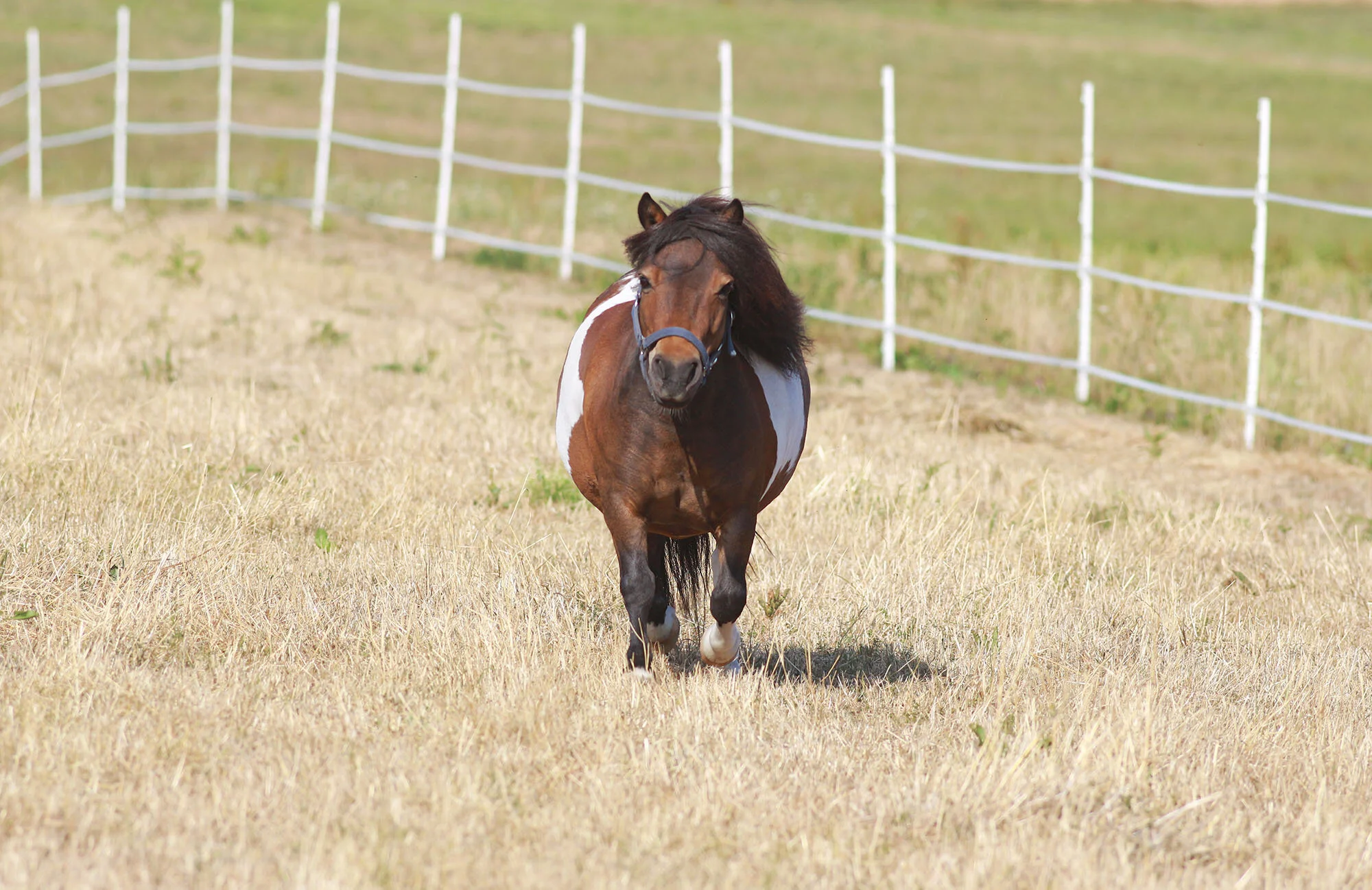
Just like humans, horses can experience pregnancy diabetes, known as Gestational Diabetes Mellitus (GDM). This condition affects 4-12% of women and has an equivalent in mares, increasing their risk of pregnancy-associated laminitis. Both humans and horses experience changes in blood glucose and insulin levels due to this condition.
Insulin Resistance: A Complete Guide
Insulin resistance is associated with a range of diseases in both horses and humans. In horses, it is linked to conditions such as laminitis, hyperlipaemia, Equine Metabolic Syndrome (EMS), Cushing's disease (PPID - Pituitary Pars Intermedia Dysfunction), osteochondrosis, colic, and grass founder. In humans, insulin resistance is connected to type II diabetes, obesity, cardiovascular disease, hypertension, polycystic ovary syndrome, and colorectal cancer.

Managing Anxious and 'Hot' Behaviour Nutritionally
Horses are naturally reactive animals, often displaying anxious or 'hot' behaviour in response to stress or unfamiliar situations. Understanding and managing these behaviours is crucial for their well-being and performance.

Wet Weather Ailments
Preparing Your Horse for Severe Wet Weather: What to Expect and How to Respond
Heavy rain brings numerous health hazards: flooded paddocks, horses cut off from each other or trapped in floodwaters, loss of shelter, contaminated drinking water, downed fences and tangled wire, an increase in biting insects, and skin problems. These conditions create significant demands and stress for both our horses and ourselves. Let's explore some of these hazards and ways to mitigate them.